This guide will help you understand cremation costs in Pennsylvania. We have included a price comparison for cremation services across major cities, practical tips for saving money, and essential information for arranging a cremation service in Pennsylvania.
As more families turn to direct cremation in Pennsylvania as a more affordable and flexible alternative, it’s important to explore the options available. According to Funeralocity data for 2026, the average direct cremation in Pennsylvania costs $2,460, ranking the state 17th out of 50 for cost. However, families can find direct cremation for significantly less by comparing providers.
What Does a Cremation Cost Today in PA?
Below is a sample of direct cremation prices from the major cities in Pennsylvania to help you better understand cremation costs near you.
| CITY | CREMATION PRICE (DFS) | CALL NOW (DFS) |
|---|---|---|
| Allentown Bethlehem | $1,495 | (610) 273-8022 |
| Erie | $1,395 | (814) 208-5272 |
| Harrisburg | $1,395 | (717) 207-8252 |
| Philadelphia | $1,195 | (215) 310-0777 |
| Pittsburgh | $695 | (412) 203-5809 |
| Scranton | $1,495 | (570) 225-9080 |
Interest in cremation costs has become a key online search term. The cost of cremation varies based on the funeral home providing the services and the cremation option selected.
According to Funeralocity 2026 data, the average cost of a full-service cremation in Pennsylvania is $6,537, and the average cost of a direct cremation is $2,460. These are ‘average’ prices; you can make cremation arrangements for much less than this.
DFS Memorials Pennsylvania is a network of affordable cremation service providers. All serve their local communities, offering a low-cost direct cremation service. As you can see from the table above, DFS Memorials locations offer exceptional value cremation service packages compared to the local ‘average’ cost.
For a broader overview of all funeral service options and costs in Pennsylvania, visit our Funeral Costs in Pennsylvania guide.
What Are the Different Options for a Cremation Service?

Cremation offers more versatility in how and where we can memorialize. Choosing a cremation service can remove the need for expensive funeral expenses, such as a burial vault, cemetery plot, and casket.
You can choose a Full Cremation Service, similar to a full-service funeral, except that the deceased is cremated after the service.
Or opt to conduct a Cremation Memorial, whereby the crematory first performs the cremation, and you can hold a memorial service once you have the cremation ashes.
Several other options offer a short visitation or viewing prior to the cremation. This can be more of a select, private ‘goodbye’ for family and close friends who do not want to hold a full funeral ceremony before cremation.
Finally, you can choose a Direct Cremation. This is where the funeral home provides minimal services. They complete all legally required to conduct a cremation, cremate the deceased, and return the cremated remains to the next of kin.
Visit our Ultimate Guide to Cremation if you want to read more about cremation services.
Why Is Direct Cremation Such a Low-Cost Option?

A direct cremation is a basic service package. Because it requires reduced professional service fees, it can be offered at a lower cost. Some funeral or cremation providers even request that you complete online arrangement forms to streamline the process and reduce staff arrangement time.
It means you CAN arrange everything without even needing to visit a funeral home.
Do make a point of checking what is included in a direct cremation service package. Unfortunately, not all funeral homes include all third-party fees, and what seems like a low price can incur additional charges.

Additional Charges to Consider
Most cremation service providers offer a package price that includes everything except third-party fees payable to the county for death certificates, cremation permits, and any other required legal documentation.
The cremation is conducted using a basic cremation container, and the cremated remains are returned in a temporary urn. A selection of cremation urns may be offered to add to your cremation package at an extra charge.
Some cremation providers offer a complete service package that may include a copy of the death certificate and the cremation permit fee.
It is wise to check EXACTLY what is included in any listed cremation package service charge.
You should also note that if the deceased was overweight (over 250 pounds), there will likely be an extra charge for a barometric cremation. Similarly, if a pacemaker needs to be removed, a small fee will apply.
Legal Requirements for Cremation in Pennsylvania
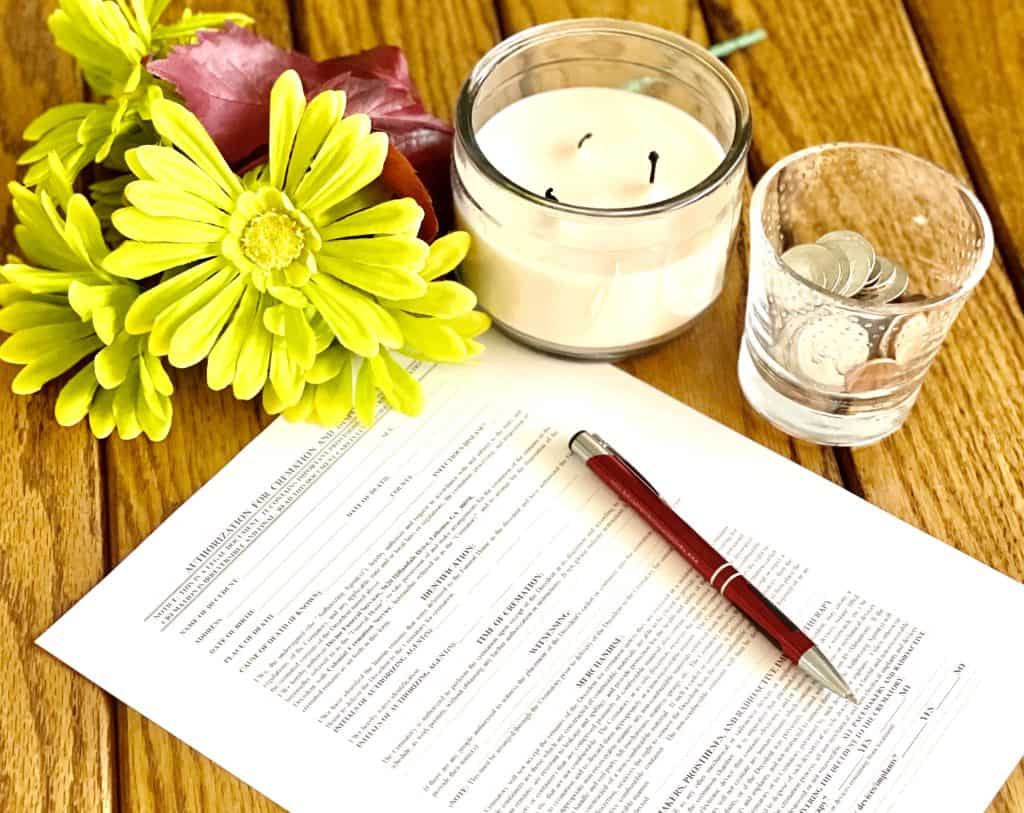
The legal next of kin must all sign the Cremation Authorization Form to consent. If several family members are legally responsible (for example, siblings), all must agree and sign the authorization for cremation.
The funeral director can then obtain the Permit to Cremate. In Pennsylvania, there is usually a mandatory wait period of 24-48 hours after the death before a cremation can be performed.
It usually takes 3–7 days to complete all paperwork and schedule the cremation.
How Long Does a Cremation Take?
The cremation process takes between 2 and 5 hours, depending on the equipment grade, time of day, and deceased weight. Newer retorts heat faster, and once the retort has heated for the first cremation, subsequent cremations will proceed faster.
The time it takes to schedule a cremation can also depend on the number of cases a provider handles, whether they have their own crematory, and how many retorts they operate.
The average time from the funeral home collecting the deceased to the cremated remains being returned to the family is seven to ten days.
Setting Up an Affordable Cremation Plan
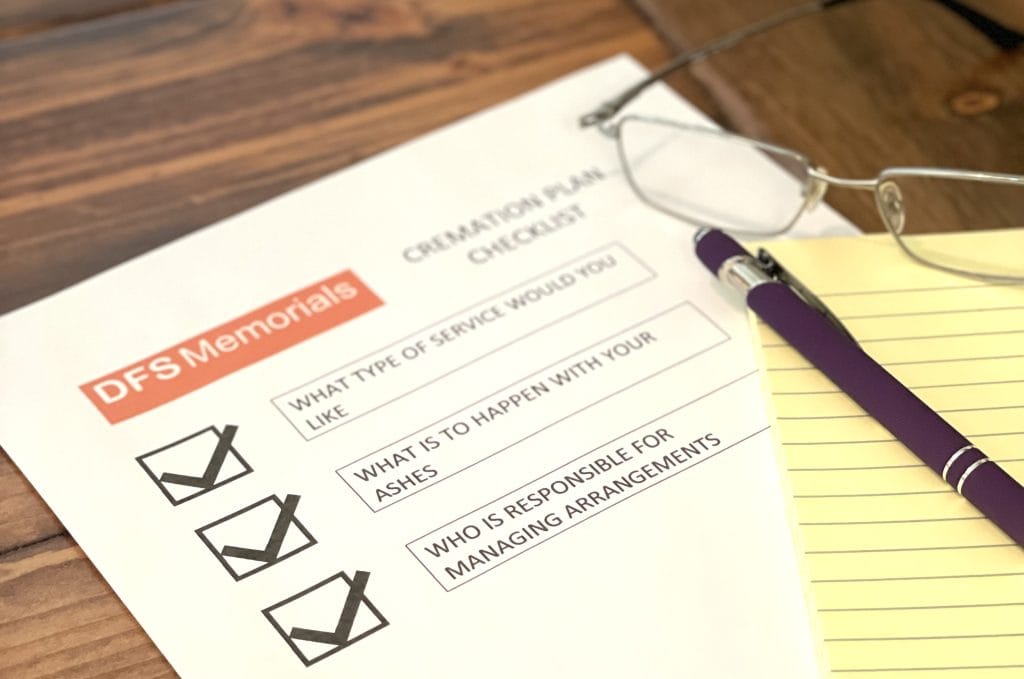
You have two options. You can formally set up a cremation plan with a funeral service provider and deposit the funds. Or you can pre-plan without paying by documenting your wishes, signing a cremation authorization, and securing the funds in a Payable-on-Death (P.O.D.) bank account.
You can read more here about Setting up Your Own Cremation Plan.
Planning If Your Loved One Is in Hospice Care
An anticipated passing is referred to as an “imminent” death, and a family may be given notice to get preparations ready. Some cremation providers offer a bespoke hospice service and may discount hospice patient cases. It will help the family to have made some imminent provision for the loss of a loved one, as the hospice can be prepared to make the call and support the process.
Learn more by visiting our section on End-of-Life Support, Planning Arrangements, and death doula care options.
What If the Deceased Is at the Medical Examiner’s Office?

If a death is sudden, unexplained, or the result of an accident, the coroner will be called to investigate and confirm the cause of death. The Medical Examiner’s Office will release the body to a funeral home once this is complete.
They also issue the death certificate and permit to cremate, so a funeral director can generally collect the deceased with all the necessary permits. You must select a funeral home and sign a release form to transfer the body from the morgue.
“No-Cost” Cremation Through Body Donation
A “no-cost” cremation is a term used to refer to a free cremation offered with a whole-body donation. Also referred to as an anatomical gift, this donation is completed at a Medical or Research Institution. Once the donation is complete, the remains are cremated free of charge and returned to the next of kin.
You can read more on our Body Donation page.
Financial Assistance for Cremation Costs in Pennsylvania
Families in Pennsylvania seeking assistance with funeral expenses can explore some of the options below. Eligibility requirements vary by agency and organization.
Department of Human Services (DHS) – Any financial assistance with burial or cremation services is primarily managed through the DHS in collaboration with local County Assistance Offices (CAOs). Eligibility for such aid is determined by the CAOs, and the specific programs and support available can vary by county. Click here for a directory of CAOs in Pennsylvania. A funeral home must be registered with the DHS to receive payment.
Victims Compensation Assistance Program (VCAP) — If the deceased was a victim of a crime, VCAP may reimburse up to $6,500 for funeral and burial expenses. Phone (800) 233-2339 to learn more.
PA 211 – PA 211 is a statewide resource that connects individuals to local assistance programs, including burial and cremation expenses. You can dial 211 or text your ZIP code to 898-211, or visit United Way Pennsylvania’s website.
Local Charities and Nonprofits — PA charitable organizations may offer some assistance with funeral costs. Findhelp.org is a resource for organizations in Pennsylvania that may help with cremation costs.
Green Cremation Alternatives in Pennsylvania

There is no active legislation governing water cremation or aquamation in Pennsylvania yet. We do not know of any funeral homes offering it at this time. It is still a ‘niche’ green cremation alternative and is only available in a few states.
However, consumer demand for greener funeral alternatives and climate change agendas may drive future growth in this service.
Visit our Guide to Aquamation or Water Cremation to learn more.
Scattering Cremated Remains in Pennsylvania
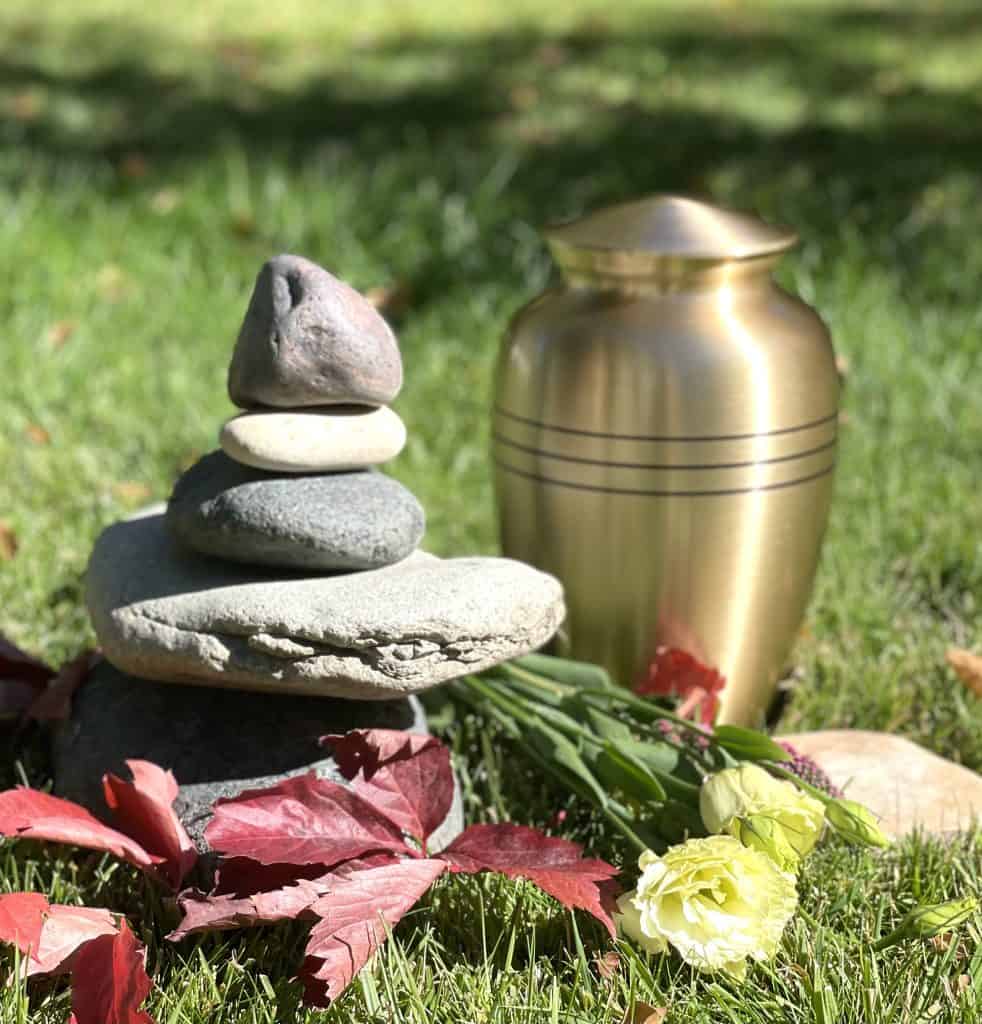
As more families opt for cremation, there is an increased demand for ash-scattering memorial tributes. Some cemeteries offer ash-scattering memorial gardens, or you can scatter on private land, scenic rural parkland, or a special location for the deceased.
Read our Pennsylvania Funeral Costs guide to learn more about the laws for scattering ashes in PA’s 120 state parks.
Frequently Asked Questions About Cremation in Pennsylvania
How much does a direct cremation cost in Pennsylvania?
The average cost for a direct cremation in Pennsylvania is $2,460 (Funeralocity, 2026), with prices ranging from $500 to $6,360 depending on location and provider. Through DFS Memorials, families can find direct cremation for between $695 and $1,695.
How long do you have to wait before a cremation can be performed in Pennsylvania?
Pennsylvania has a mandatory 24-hour waiting period before a cremation can be performed. All legal next of kin must sign the Cremation Authorization Form, and a permit to cremate must be issued by the local county. It typically takes 3–7 days to complete all paperwork and schedule the cremation.
Can I scatter cremation ashes in Pennsylvania state parks?
Yes. Pennsylvania has 120 state parks, and scattering of ashes is permitted with Bureau approval. Contact the park manager of the state park you’re interested in to discuss your intentions. You can also scatter on private land with the landowner’s permission.
You can also check out our more detailed guides to arranging a cremation service in Philadelphia and Pittsburgh.