A Celebration of Life is a personalized end-of-life ceremony designed to honor and commemorate the unique personality, achievements, and impact of a deceased loved one.
Unlike traditional funerals, which often follow a structured, somber format focused on mourning and religious rituals, a Celebration of Life emphasizes joy, positive memories, and storytelling.
It brings friends and family together in a more casual setting to share laughter, anecdotes, and tributes, creating an uplifting atmosphere that reflects the deceased’s spirit. This event can include elements like music, photos, videos, and activities tied to the person’s hobbies or passions, making it a heartfelt gathering rather than a formal rite.
While it shares similarities with memorials or funerals—such as gathering loved ones for support—it is typically less rigid and more focused on celebration than grief.
Why Families Are Opting for Celebrations of Life Instead of Somber Funeral Services

In recent years, families have increasingly chosen Celebrations of Life over traditional funerals due to a shift toward more personalized and positive end-of-life experiences.
Traditional funerals often center on mourning, loss, and formal religious or cultural protocols, which can feel restrictive or overly somber for some. In contrast, Celebrations of Life allow for customization that truly mirrors the deceased’s personality, interests, and values, fostering an environment of joy, laughter, and shared happy memories rather than solely focusing on sorrow.
This approach provides emotional comfort by emphasizing the deceased’s legacy and contributions, helping attendees find closure through upliftment.

Key reasons families are opting for a Life Celebration Memorial include:
- Personalization and Flexibility: Families can incorporate unique elements like the loved one’s favorite music, hobbies, or themes, making the event feel authentic and meaningful.
- Positive Atmosphere: It shifts the tone from grief to gratitude, allowing for healing through celebration, which can be especially appealing for non-religious or secular families.
- Cultural Shifts: With declining religious affiliations and a desire for less formal services, these events are gaining popularity as a modern alternative that honors life in a way that feels relevant today.
- Emotional Benefits: Attendees often report feeling more supported and connected, as the focus on joyful reminiscing can reduce the intensity of grief.
This trend reflects broader societal changes toward individualized memorials that prioritize emotional well-being over convention.
Where Can a Celebration of Life Be Held?

One of the advantages of a Celebration of Life is its flexibility in location, as it doesn’t require a traditional venue like a church or funeral home. The choice often depends on the deceased’s preferences, the number of guests, and the desired atmosphere.
Popular options include:
- Outdoor Spaces: Parks, beaches, gardens, or backyards for a relaxed, natural setting—ideal for picnics or gatherings with scenic views.
- Personal or Themed Venues: A loved one’s home, a country club, theater (for movie enthusiasts), art gallery, bowling alley, or even a boat if they enjoyed water activities.
- Community or Event Spaces: Community centers, sports venues, restaurants, or rented event halls for larger groups, offering amenities like catering and AV equipment.
- Unique, Bucket-List, or Destination Locations: Places tied to the deceased’s passions, such as a hiking trail, museum, or farm, to make the event memorable and reflective.
Consider logistics like weather, accessibility, permits (for public spaces), and capacity when selecting a spot. Many families opt for venues that evoke fond memories, enhancing the celebratory feel.
What a Life Celebrant Is and the Role of a Funeral Celebrant

A Life Celebrant (also known as a Funeral Celebrant or Officiant) is a trained professional who specializes in creating and leading personalized, non-religious or secular ceremonies to honor a loved one’s life.
Unlike traditional clergy or ministers tied to specific faiths, celebrants focus on tailoring the service to the deceased’s unique story, values, and wishes, often incorporating elements from various cultures or none at all.
The key responsibilities & tasks a Life Celebrant will perform include (but are not limited to):
- Planning and Customization: Collaborating with the family to gather stories, select readings, music, and rituals that reflect the deceased’s personality.
- Officiating the Ceremony: Hosting the event, guiding attendees through tributes, speeches, and activities, while maintaining a supportive and engaging flow.
- Emotional Support: Helping families navigate grief by ensuring the service is meaningful, inclusive, and healing, often drawing from a library of resources for inspiration.
- Coordination: Assisting with logistics, such as timing, scripts, and incorporating multimedia, to make the event seamless.
Celebrants are certified through organizations like the Celebrant Foundation & Institute, emphasizing empathy, creativity, and inclusivity.
How to Find the Services of a Funeral Celebrant to Host a Memorial Service
Finding a qualified Life Celebrant in the U.S. can require research, personal connections, or the guidance of a funeral home or faith leader. Choosing someone skilled at creating personalized, meaningful ceremonies—can seem daunting.
Here’s a simple guide to help you consider your options and get started:
1. Use Reputable Directories
- The Celebrant Directory — Large directory listing independent celebrants across the U.S., searchable by state. Offers profiles and location filters.
- Funeral Wise Celebrant Directory — U.S.-based directory to find funeral celebrants by state or province.
- Life Celebrants International — Search tool for certified lifecycle celebrants across North America (but the U.S. Celebrant directory seems limited).
- Use Google Local Business Search & Reviews, or local press classifieds.
2. Check Training and Certification
- Confirm the celebrant has training through reputable organizations such as the Celebrant Foundation, the InSight Institute, or equivalent
- Ask about their experience and request references from families they’ve served. Authentic professionals welcome inquiries.
3. Consult Your Funeral Director
- Funeral directors often collaborate with celebrants or can refer one. Speak up if you want a certified or independent celebrant to lead the service.
4. Evaluate How Suitable a Celebrant ‘Fits’ Your Vision Through Initial Conversations
When speaking with potential celebrants, ask:
- What is your fee, and what’s included?
- What is your collaborative process with families?
- Are you comfortable with secular, interfaith, or spiritual contexts?
- Can you provide references or examples of past services?
5. Also Consider Related Options
- Humanist Celebrants — Specialize in secular or humanist ceremonies. Organizations like the Humanist Society (US) offer listings or referrals.
- Interfaith Officiants — Can weave together multiple spiritual traditions and are trained in Interspiritual ministry.
These tips should help guide you through the process of selecting the ‘best’ Celebrant to meet your memorial tribute needs.
How Much Is a Life Celebrant Likely to Cost?

Costs for hiring a Life Celebrant vary based on location, experience, and service scope, but as of 2025, expect to pay between $300 and $1,000 on average in the US for a full ceremony, including planning and officiating.
Factors influencing price include travel, customization level, and add-ons like script writing. This is separate from overall event costs (e.g., venue or catering), which might total $1,000–$5,000 or more for the full Celebration of Life.
Always request a detailed quote and compare multiple options.
Ideas for How a Family Can Arrange Their Own Celebration of Life Memorial Service
Families can create a meaningful DIY Celebration of Life without professional help by focusing on personalization and community involvement. Here’s a step-by-step approach with ideas:
1. Memorial Planning Basics: Set a date (often weeks or months after passing for flexibility), budget, and guest list. Choose a theme based on the loved one’s life (e.g., “Adventure Awaits” for a traveler).
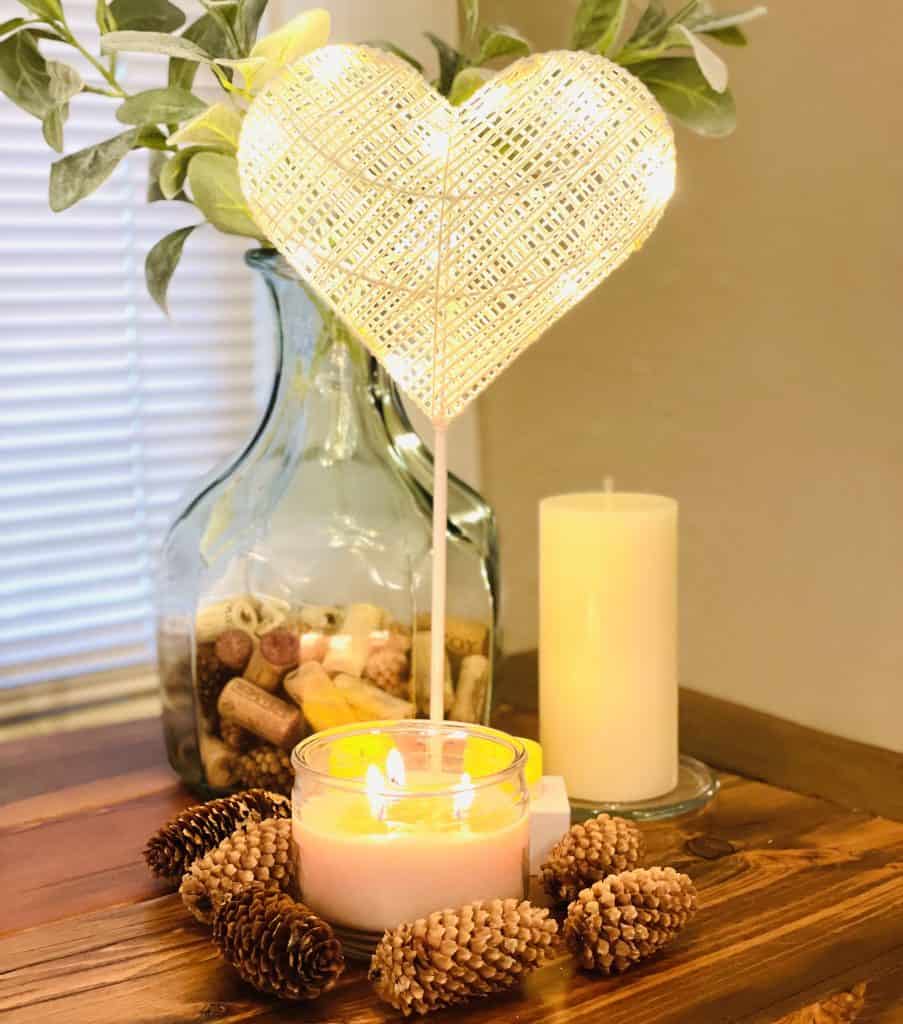
2. Memorial Venue and Setup: Host at home, a park, or a free community space. Decorate with photos, candles, and meaningful items like a memory wall or table displaying mementos.
3. Activities and Tributes to Commemorate a Life Well-Lived:
- Share Stories and Memories: Have an open mic for guests to recount anecdotes, or create a shared digital slideshow/video.
- Incorporate Favorites: Serve the deceased’s beloved foods, play their playlist, or host activities like a barbecue, game night, or craft station (e.g., making memory jars).
- Symbolic Gestures: Release balloons, butterflies, or lanterns; plant a memorial garden; or distribute keepsakes like seeds, candles, or personalized ornaments.
- Creative Elements: Build a memory bench, frame quotes, or organize a group activity like a hike or art project tied to their hobbies.
4. Life Celebration Gathering Logistics: Use free tools for invitations (e.g., email or social media), potluck-style catering to cut costs, and assign family members roles like emcee or photographer.
5. Memorial Keepsakes: Provide takeaway items like photo prints or recipe cards to extend the memory.
This DIY approach keeps costs low (potentially under $500) while ensuring an intimate, heartfelt event. If needed, consult online resources or templates for structure.
Final Thoughts –
Arranging a Celebration of Life Memorial should be an uplifting and celebratory occasion. An event can be managed by family and friends without the need to employ a Funeral Celebrant and conducted for much less than the usual costs associated with funeral services.
A Celebration of a Life Gathering can be an intrinsic part of enabling family and friends of the deceased to come together to process their emotions and acceptance of their loss.
Remember, it is all about creating a ritual that tells a story and represents, in as concise a way as possible, the essence of the person deceased.
Related Articles: